News
A recent analysis from the American Farm Bureau Federation highlights a growing concern: many agricultural operations are facing a prolonged period where the cost of producing crops exceeds the revenue those crops generate.
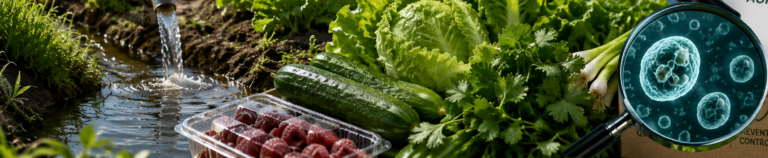
The outbreak highlights the increasing challenges facing American agriculture in maintaining consumer confidence, ensuring regulatory compliance, and protecting the integrity of complex produce supply chains.
The USDA NRCS recently announced a new set of conservation priorities designed to strengthen support for America’s farmers, ranchers, and private landowners. The updated direction centers on a simple but powerful motto: “Keeping Working Lands in Working Hands.”
A newly approved British policy that will gradually ban tobacco sales to anyone born after 2009 is drawing global attention—not just for its public health ambitions, but for what it could mean for industries far beyond the United Kingdom.
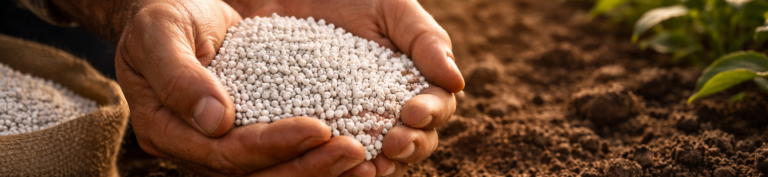
While gasoline prices have shown signs of stabilizing in recent weeks, a less visible but more persistent issue continues to weigh heavily on American farmers: the rising cost and limited availability of fertilizer.
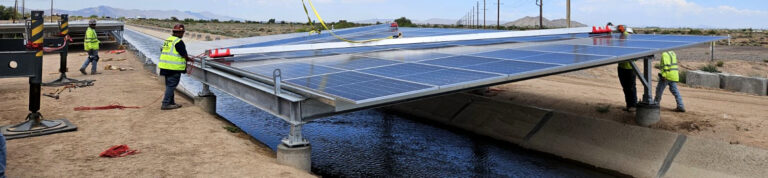
Florida’s farmland is quietly becoming the front line of a growing debate: food or energy? Loss of agricultural land to solar development.
Farmers and ranchers remain the backbone of our food system—but they receive only a small fraction of the final price consumers pay.
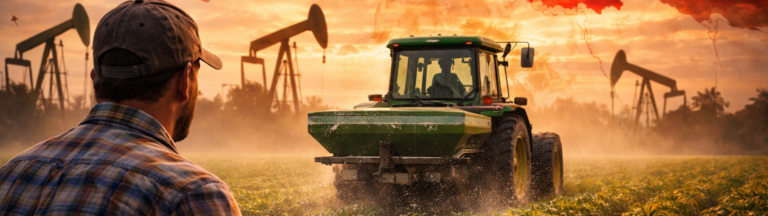
Escalating tensions involving Iran and the United States are creating ripple effects across global markets. While the conflict is thousands of miles away, American agriculture—particularly in states like Florida—could feel significant economic consequences.
A growing number of Florida farms are adopting stormwater reuse systems to meet strict nutrient reduction goals and ensure sustainable water supplies.
A holistic site evaluation is a comprehensive process that assesses physical, regulatory, and environmental constraints on a property before development. Florida landowners and agribusinesses are turning to holistic site evaluations to guide agricultural development, reduce risk, and maximize productivity.