Understanding The 1,000-Year Flood: Why the Term is Misleading
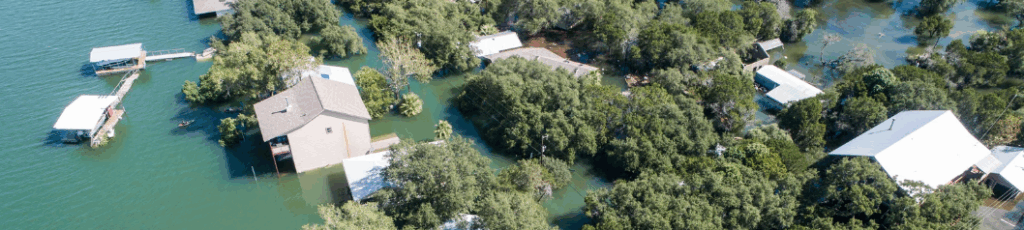
In a single week, the continental United States faced an extraordinary meteorological spectacle: four separate “1,000-year flood” events struck Texas, North Carolina, New Mexico, and Illinois. These deluges claimed lives, destroyed infrastructure, and left communities stunned—not just by the storms themselves, but by the terminology used to describe them. How could four such rare events occur almost simultaneously? Is the concept of a “1,000-year flood” a misnomer?
The answer lies in a misunderstanding of probability, not meteorology.
What is a 1,000-year flood, really?
A “1,000-year flood” does not mean a flood that happens once every 1,000 years. Instead, it refers to a flood event that has a 0.1% chance of occurring in any given year at a specific location. It’s a statistical measure based on historical rainfall and flood data—essentially, an expression of probability.
However, this term often confuses and can foster a false sense of security. People may assume they are “safe” from another major flood for the next 999 years, when in fact, a 1,000-year flood could happen at the same place two years—or even two months—in a row.
Why So Many at Once?
It may seem counterintuitive, but multiple 1,000-year floods can occur in a short period—especially if they’re happening in different places. Each region has its own flood probability profile. The same 0.1% chance applies independently to each location. If weather patterns align just right, multiple extreme rainfall events can be triggered in a short time, making seemingly rare floods appear common.
Moreover, climate change is disrupting historical weather norms. A warming atmosphere holds more moisture, increasing the intensity and frequency of extreme rainfall events. While statistical models may still refer to these events as “1,000-year floods,” the climate they’re based on may no longer reflect today’s reality.
The Problem with the Term
Using the term “1,000-year flood” without proper explanation leads to confusion and underpreparedness. It implies rarity when, in fact, the risk is real and recurrent. Decision-makers, emergency planners, and citizens alike might underestimate the need for proactive flood management.
Additionally, the term doesn’t account for evolving factors like land use changes, urban sprawl, or climate variability—all of which influence flooding. A 1,000-year flood calculated 30 years ago may no longer apply to the present hydrological conditions of a growing city or altered watershed.
Final Thoughts
The events of this week are a sobering reminder of the volatility of our environment and the inadequacies in how we communicate risk. As extreme weather events become more common, we must abandon outdated metaphors and adopt language that empowers people to prepare and respond wisely. Understanding the true meaning—and the limitations—of the term “1,000-year flood” is a good place to start.
More information: https://www.usgs.gov/faqs/what-1000-year-flood